
Discussing which engine is better between a straight-six and a V8 is something that feels like a plotline from The Fast and the Furious, if the franchise actually cared about cars. It’s “import versus domestic” all over again, but it’s even more complicated than that. Each engine configuration has its own benefits and drawbacks, and because of this, it’s difficult to compare the two on a like-for-like basis. But as we’re about to discuss, there are several factors that make the straight-six surprisingly good.
6-Cylinder vs 8-Cylinder: Size Matters
Mercedes-Benz
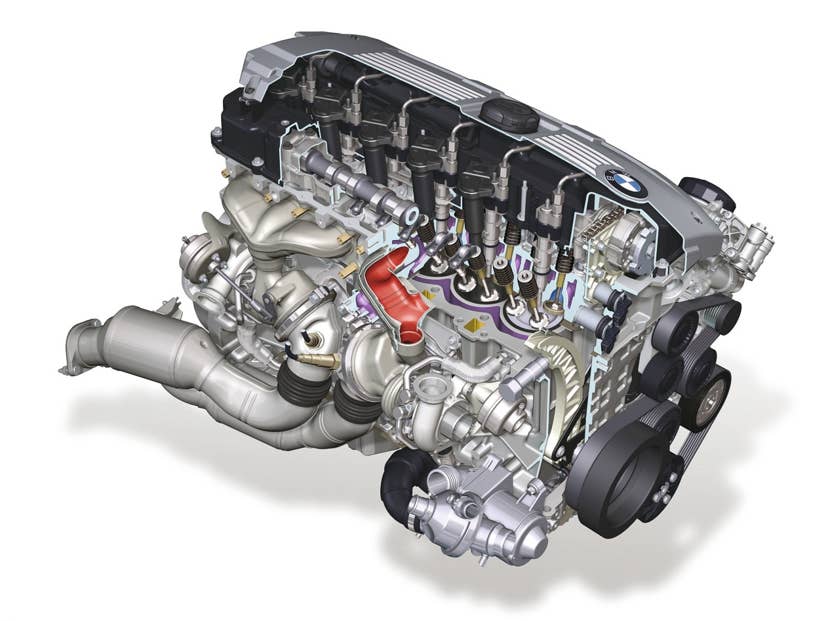
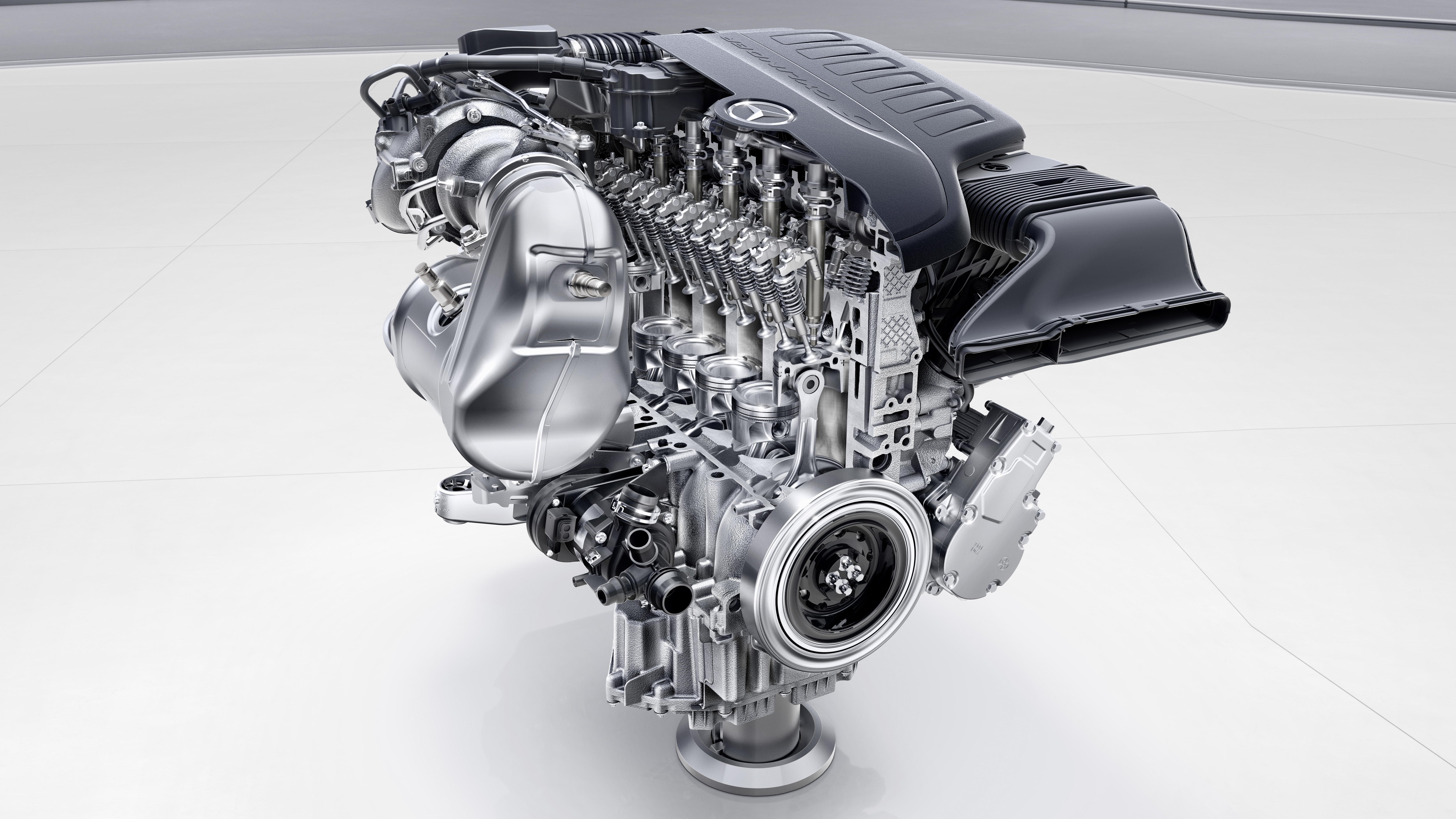
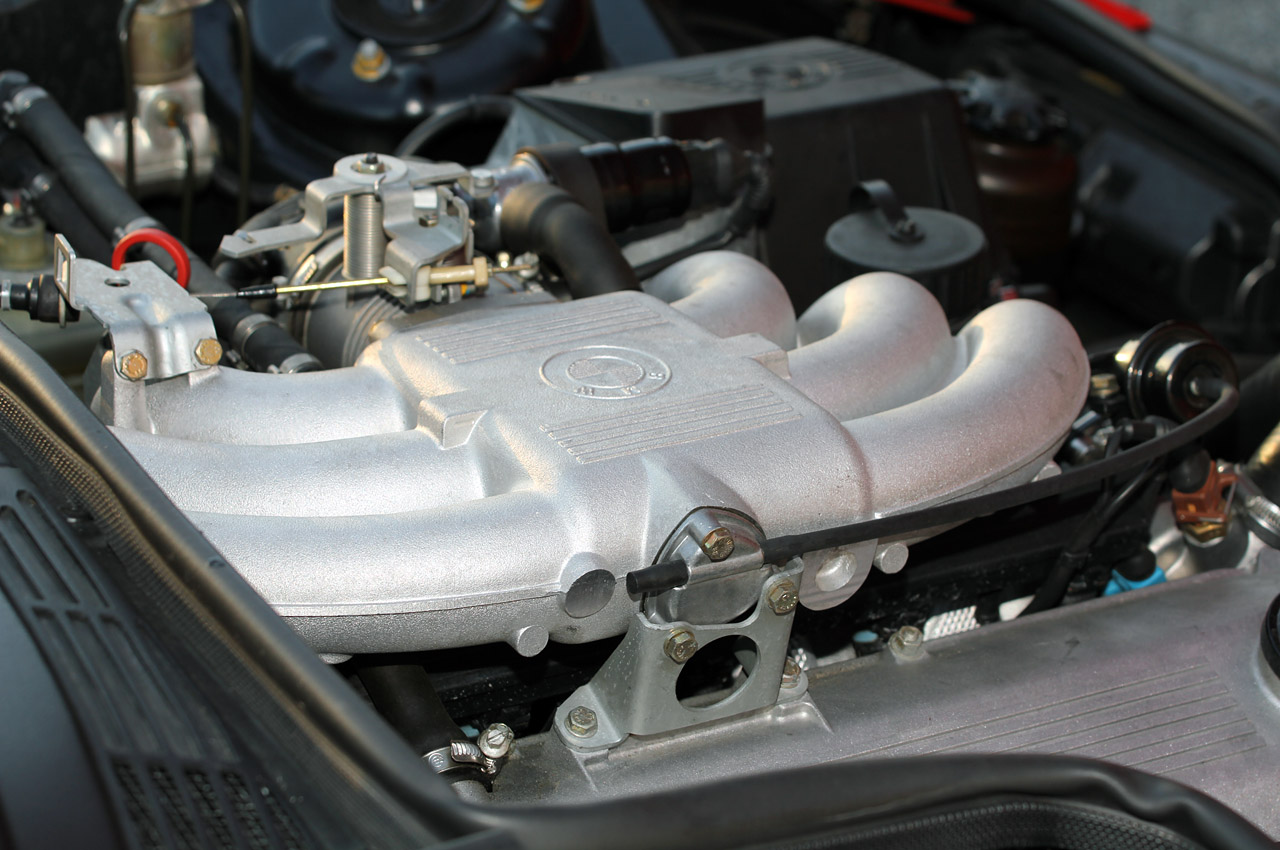
The simplest area of comparison is in the physical footprint of each engine. The V8 has two banks of four cylinders each arranged in a Vee shape (typically with a 90-degree angle, though other configurations exist), with both banks sharing a common crankshaft, while the inline-six engine has six cylinders arranged in a straight line. Obviously. This means that the V8 is shorter and wider than the inline-six, and all other things being equal, this makes the V8 better for weight distribution because all of the mass is concentrated in a shorter footprint. This is part of why V8s are often used in high-performance cars. A shorter engine means less of its mass is likely to extend over an axle (front or rear), thus improving handling. However, while the straight-six engine may take up plenty of space lengthways, the cylinders are arranged in a straight line, which leaves space on either side for ancillary systems. If the two engines have similar mass, the straight-six will typically have a higher center of gravity, but because of its shape, servicing is typically easier, with more space to work with in the engine bay. It’s worth noting that BMW tilts its straight-six engines, usually by 30 degrees, to lower the center of gravity, fit larger intake manifolds, and reduce the height of the hood. The V8 wins round 1.
I6 vs V8: Balance and Internal Forces
FRAME/YouTube
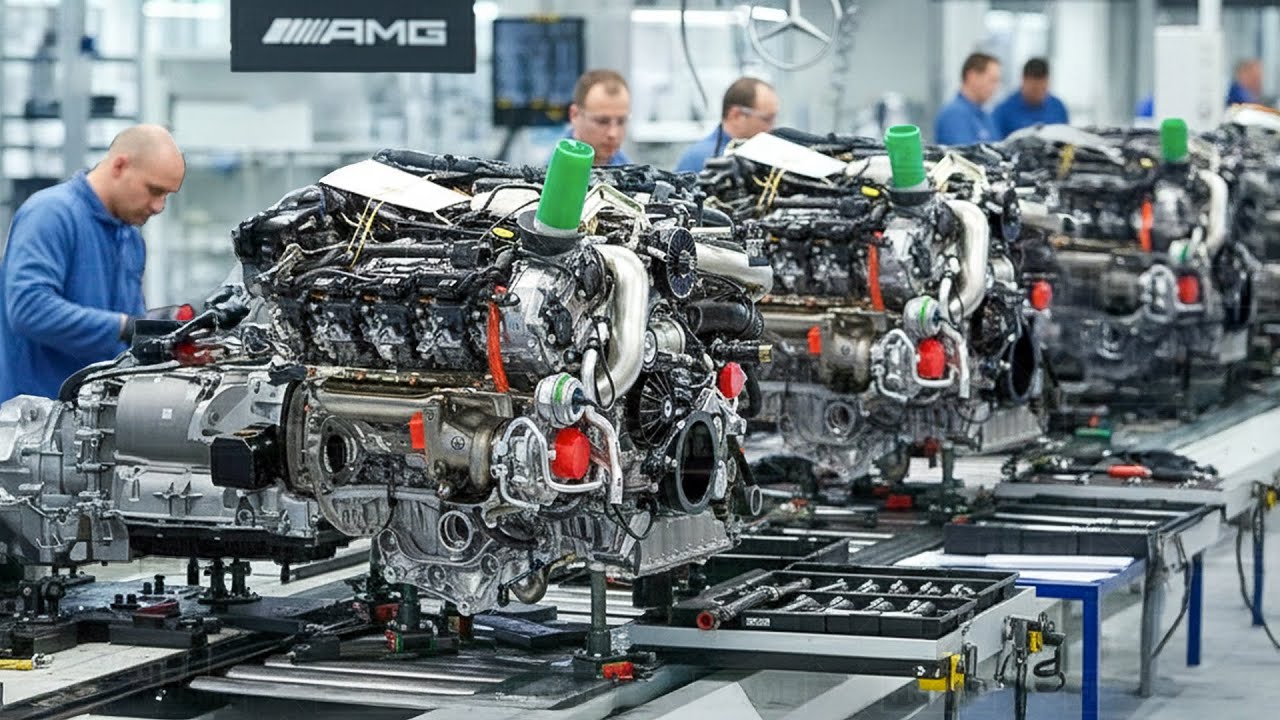
Because the V8 is essentially two four-cylinder engines with one crankshaft, and although this means better balance than a V6 engine, the cylinder firing order jumps from side to side, creating a warbling sound. This is a sign of inherent imbalance. The straight-six, on the other hand, has perfect primary and secondary mechanical balance. The primary balance refers to the pistons and connecting rods moving up and down, and as they do so, their forces create momentum inside the block. The inline-six’s pistons each have a complementary piston that is the same distance from the center (cylinder 1 and cylinder 6, cylinder 2 and cylinder 5, cylinder 3 and cylinder 4), so as piston 1 moves up, creating upward force, piston 6 moves down with equal and opposite movement of mass. This means less stress on the crankshaft and the engine as a whole, which brings us to secondary balance, or the rotation of the engine. As the crankshaft rotates, this canceling effect works in pairs again. These forces could be represented by a six-sided star. As side 1 (piston 1) pulls on the star (the crankshaft), side 6 (piston 6) pulls in the opposite direction. In a nutshell, the natural vibrations of the six-cylinder are near zero, while a V8 can require weights and balance shafts to achieve similar smoothness. This makes the inline-six better at producing low-RPM torque, with less impact on the flywheel. However, the straight-six is not perfect.
An inline-six engine has a much longer crankshaft than a V8, and because of the forces of the pistons acting on the crankshaft over a longer distance, the natural frequency arrives at a lower RPM than in a V8, requiring a harmonic balancer to achieve similar RPM. Natural frequency is the inherent rate at which a system tends to oscillate or vibrate without external forces. In simpler terms, the longer the crankshaft, the fewer the revolutions required to make it bend or wobble. That’s why it’s easier for an adult to use a long skipping rope than one designed for shorter children. And although there are more pistons in a V8, they each weigh less, further contributing to a higher rev ceiling, particularly with a flat-plane crank. To achieve the same power, each piston and connecting rod in a six-cylinder engine undergoes higher stresses. Thus, like for like, a V8 can typically make more power, while the inline-six will be smoother at high RPM (until the crank reaches its natural frequency).
V8 vs I6: Complexity
Japanese Classics
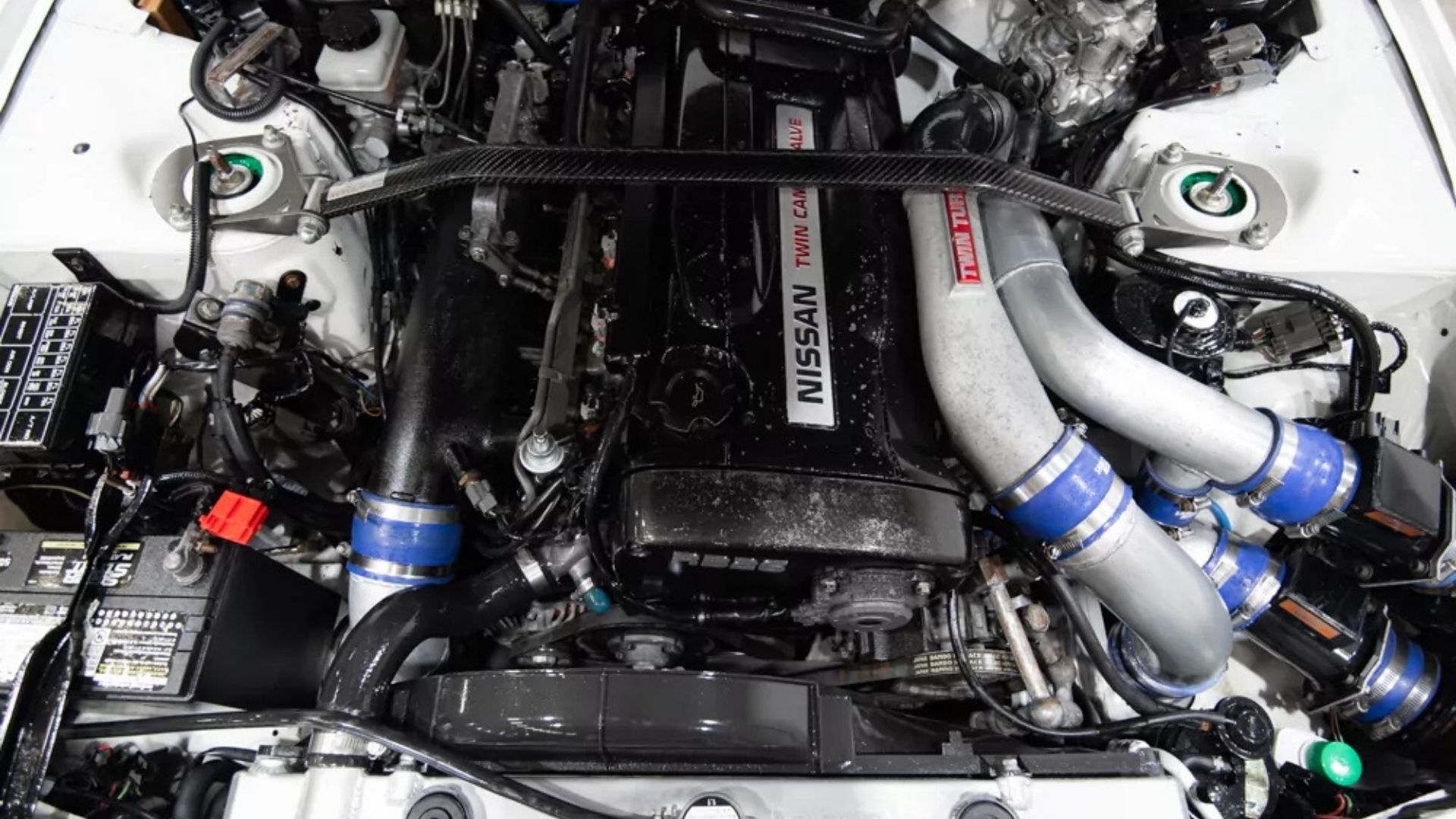
The benefits of a straight-six engine are particularly evident when you examine the bottom end and rotating assembly in greater detail. An inline-six’s main bearing caps require fewer bolts because of those reciprocating forces we mentioned above — the pistons and rods are only moving up and down on the crank, meaning the main caps of each bearing, which only need to deal with the forces of one piston and connecting rod each, are always in tension. Meanwhile, the V8’s bearing caps also have to contend with the side-to-side forces of the Vee-shaped engine. Gravity is also a tiny but important factor here. A V8’s bearing caps will therefore require more bolts, and in some cases, manufacturers will add additional main cap bolts that are not directly aligned with the piston in order to compensate for these additional non-longitudinal forces. The relatively compact design of a V8 typically also means oil delivery is poorer, with the engine having two rods being serviced by a single bearing, while the inline-six’s conrods each get their own bearing (there’s usually a seventh bearing in a straight-six engine, too, though that’s added to provide additional structural support to the long crankshaft).
Another challenge for the V8 appears when you want to add variable valve timing to the engine. In a pushrod V8, things are relatively simple, but if you want two camshafts per head, that means a total of four camshafts. This means additional chains and tensioners, all of which need to be synchronized, making setting the timing perfectly much more complex. It also means more maintenance. In a straight-six engine, a dual-overhead camshaft setup only requires exactly that, two camshafts, so you only need one timing chain, two actuators, and two solenoids to operate the DOHC system. Like for like, a V8 will be less reliable than an inline-six engine.
Straight-Six vs V8: Heat Management and Safety
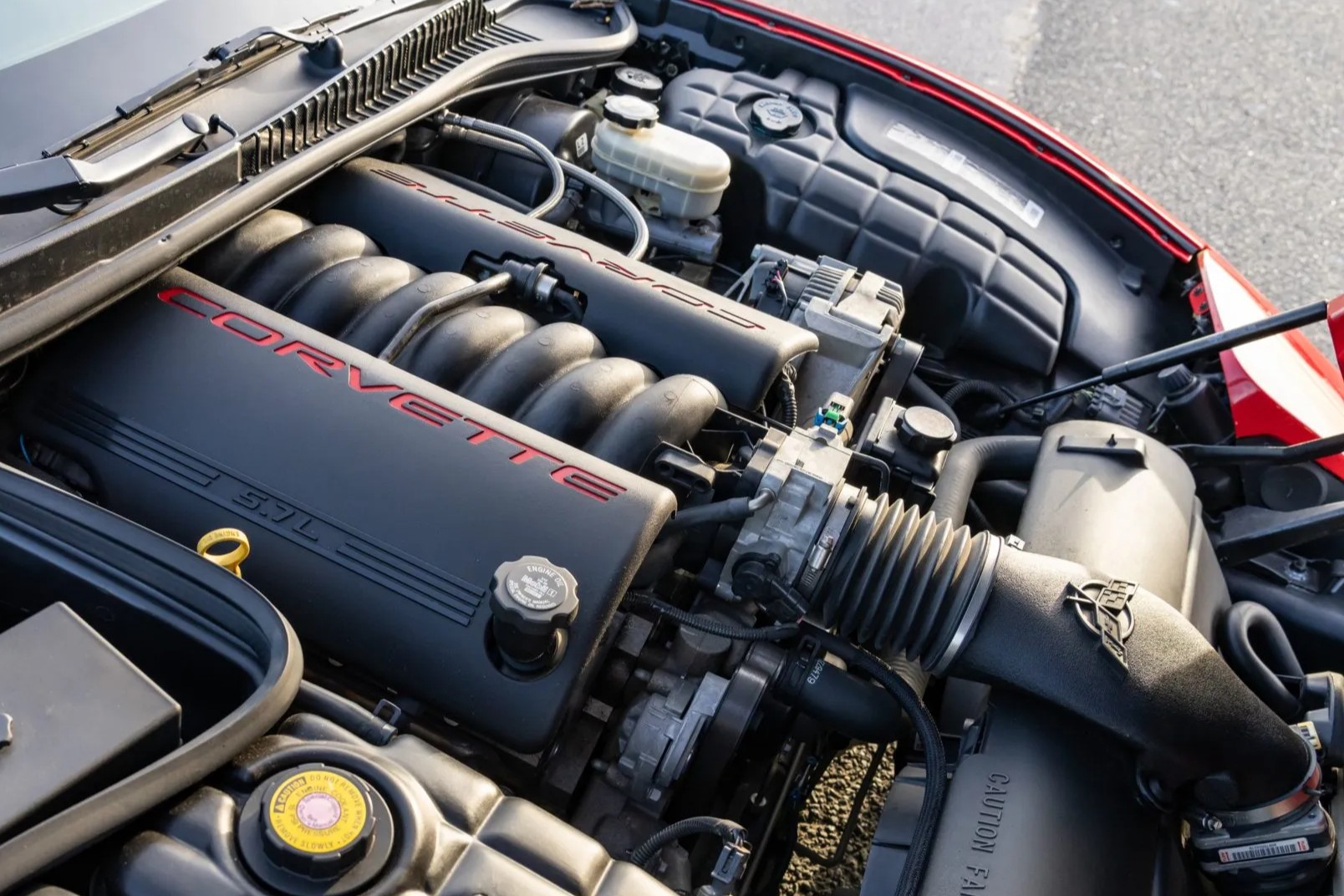
Another benefit of an inline engine is that the intake plenum is on one side and the exhaust manifold on the other, so the “cold” side of the engine stays cold, allowing the charged air to remain dense. In a V8, both sides of the engine have intakes and exhausts, and whether the application involves forced induction or not, managing intake temperatures is much trickier. This is one reason for the development of the hot-vee engine, where turbochargers sit within the valley of the V8 (or V6) to help insulate the intake manifolds, which therefore sit on the outside of the engine. That said, in a cold-vee engine, a twin-turbo setup is relatively simple to engineer, with plenty of space to fit exhaust manifolds and turbo branches for each bank. The problem is that heat rises, and this setup places the intakes over the turbos. Another problem is that a V8 has fuel injectors on both sides of the engine, and if an O-ring in one of these fails, it can leak fuel directly onto a hot exhaust manifold, potentially causing a fire. However, it’s also worth noting that directing cold air to each cylinder is easier because each intake manifold is shorter. This is why many front-facing aftermarket intakes for inline-six engines are asymmetrical, tapering towards the rear of the engine.
V8 vs I6: Pros and Cons
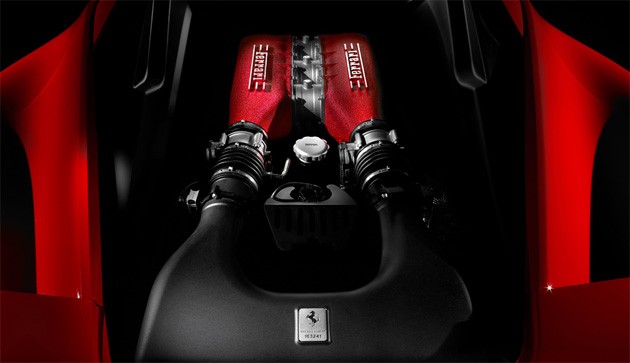
Ferrari
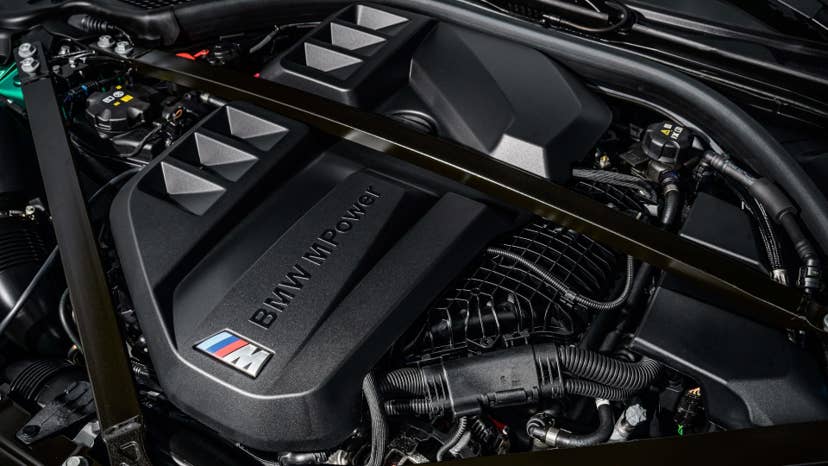
V8 advantages:
- Shorter length minimizes the chances of understeer, as weight can be concentrated within the wheelbase
- Lower center of gravity further improves handling
- Higher rev limits are possible thanks to a shorter crankshaft
- More power is possible due to less stress on each cylinder
- Twin-turbo setups are simpler to engineer (in cold-vee configuration, hot-vee engines are relatively complex)
- V8 rumble sounds good even at low RPM
- Short plenum paths mean more uniform airflow to intakes
- V8 engines are better at absorbing crash forces, potentially increasing safety due to more space for deformable materials
V8 disadvantages:
- V8 rumble is a sign of inherent internal imbalance, albeit relatively minor
- Oil delivery is typically poorer due to the offset angle of the pistons
- Offset cylinders create unwanted forces on the bearings
- Wider footprint makes changing spark plugs and fuel injectors more difficult
- Wide footprint can make packaging of auxiliary systems more challenging
- Performance- and efficiency-enhancing variable valve timing systems are much more complex
- Managing exhaust heat can be tricky
- Injector failure can more easily lead to fire
- Added complexity minimizes overall reliability
- Harmonic balancers/counterweights required for optimal smoothness
Inline-six advantages:
- Inherent natural balance makes engine operation smoother
- Better low-RPM torque
- Twin-turbo I6 engines take advantage of two three-cylinder exhaust pulses, improving response over twin-turbo V8 setups
- Silkier engine note appeals to many, particularly at high RPM
- Simple inline layout makes variable valve timing easier to engineer
- Narrow footprint enables easier fitment of large turbochargers
- Narrow footprint leaves more space for ancillary systems like power steering, cooling systems, and more
- Better oil delivery, reduced complexity, and fewer main bearing cap bolts make straight-six engines typically more reliable than V8s
- Cool intake air is not hampered by close proximity of an exhaust manifold
- Separation of intake and exhaust manifolds improves safety and reduces risk of fire from injector failure
- Servicing and maintenance are far simpler and easier to perform
Inline-six disadvantages:
- More weight is likely to extend over the front axle, inducing understeer more easily
- Tall engine block can raise the hood, worsening aerodynamics and center of gravity
- Twin-turbo setups require complex paths for intakes and exhausts
- Long crankshaft means a straight-six cannot rev as high, like-for-like, as a V8, especially if the latter has a flat-plane crank
- Long intake means disproportionate air intake per cylinder if air arrives from the front of the engine, unless the intake tapers; symmetrical side-facing intakes require additional piping to ensure air is uniformly distributed
- Less space for crash-absorbing materials can negatively impact safety
Conclusion
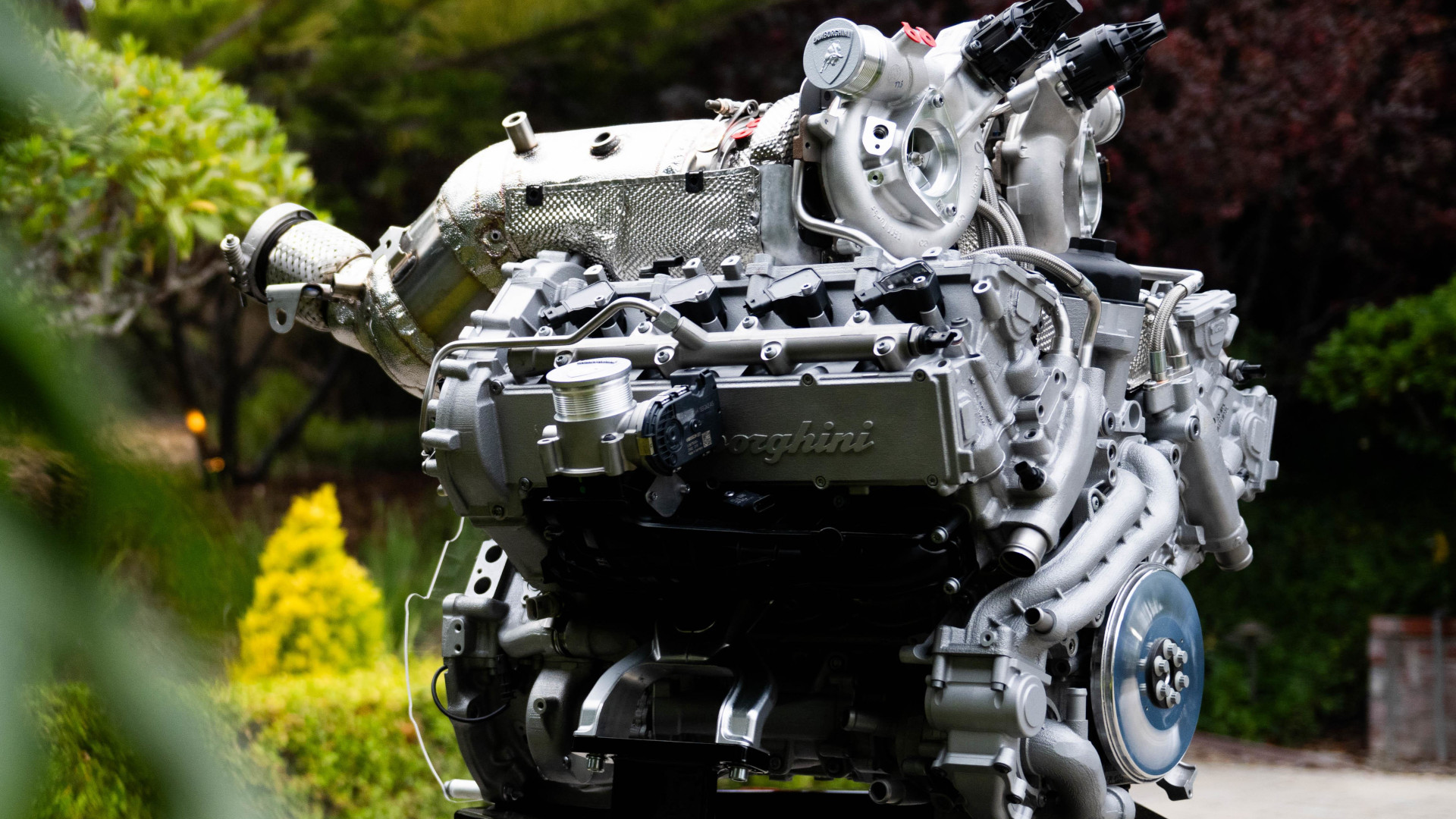
BMW
Each engine has several advantages and drawbacks, but there’s no doubt that an inline six-cylinder engine is simpler than a V8, particularly if variable valve timing is involved. A straight-six sounds smoother, is easier to service, and is naturally better balanced, but a V8 is more compact, puts less strain on individual pistons and connecting rods, and is seen as both more exotic and more American, depending on the type. A V8 can usually rev higher, make more power, and improve handling, but a straight-six is smoother and easier to both modify and maintain. Regardless, both are capable of thousands of horsepower, but the ultimate configuration combines the two concepts. Should we discuss the V12 next? Let us know in the comments below.
About the author

Sebastian Cenizo
Senior Editor, Autoblog