
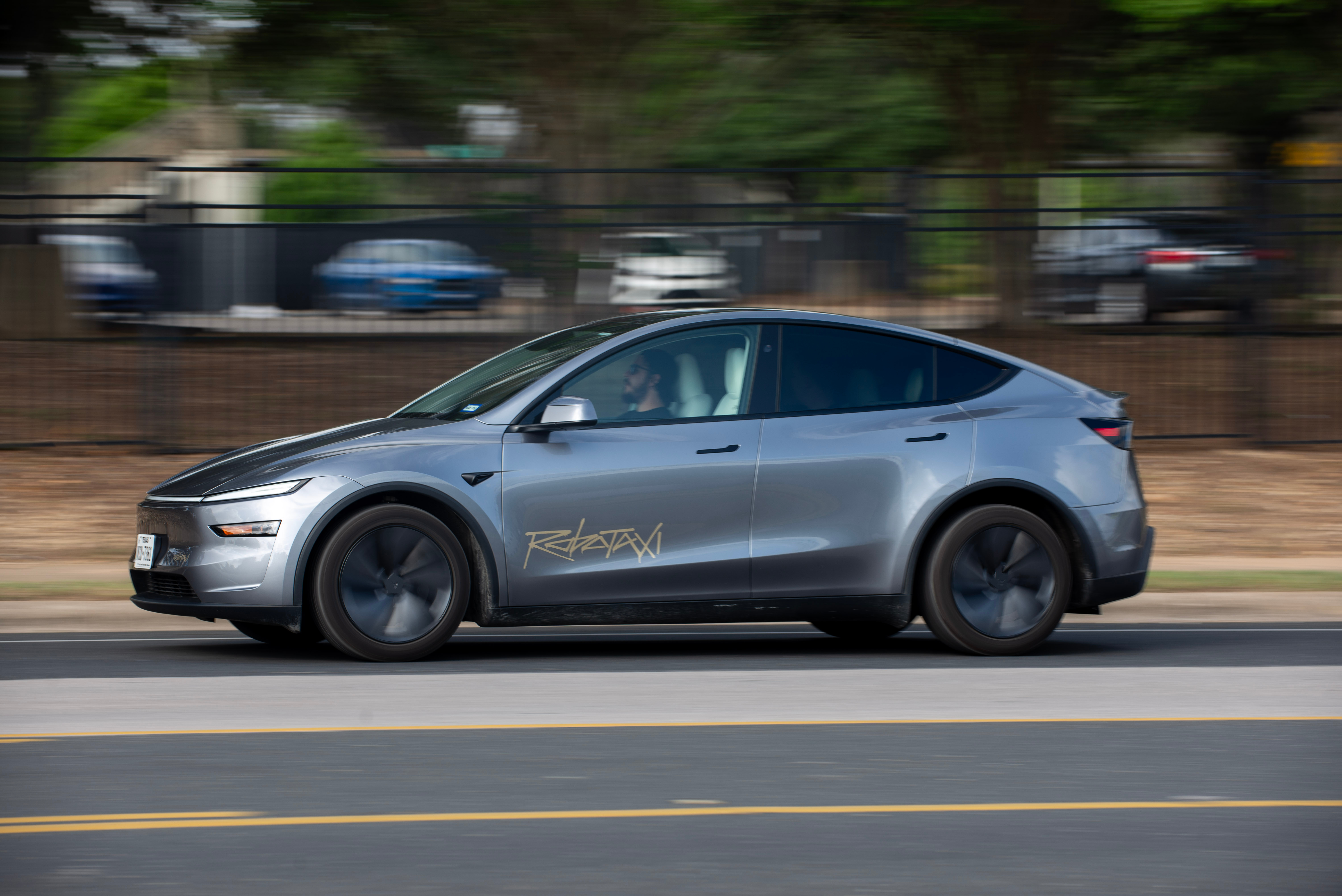
Robotaxi Reality Check
A report from Electrek states that Tesla has logged five additional crashes involving its robotaxi fleet, bringing the total to 14 since the service launched in June 2025. Adding to the controversy, Tesla redacts its narratives as “confidential business information,” while some rivals, such as Waymo and Zoox, often provide more detail in National Highway Traffic Safety Administration (NHTSA) filings.
However, the filings outlined how the incidents happened from December 2025 to January 2026. They include a collision with a fixed object at 17 mph while the vehicle was traveling straight, a crash involving a bus while the Tesla was stationary, and a low-speed impact with a heavy truck at four mph. Two additional incidents occurred while the vehicle was reversing – one of which backed into a pole or tree at 1 mph, and another where it struck a fixed object at 2 mph.

The Self-Driving Dilemma
According to the publication, the robotaxi fleet has likely logged around 800,000 miles. With 14 reported crashes, that equates to roughly one crash every 57,000 miles. That figure is about four times worse than Tesla’s Vehicle Safety Report, which states that the average American driver experiences a minor collision every 229,000 miles and a major collision every 699,000 miles.
Notably, Tesla’s robotaxi EVs still have a human safety driver on board, suggesting that at least some of these accidents may have been avoidable.
For a company staking much of its future on robotaxis, those figures could prove damaging. Tesla’s limited disclosure of incident details may also raise concerns about transparency among prospective passengers. The company recently revised a July 2025 crash report to indicate that the incident involved a hospitalization, after initially classifying it as “property damage only.”

Betting Big on Autonomy
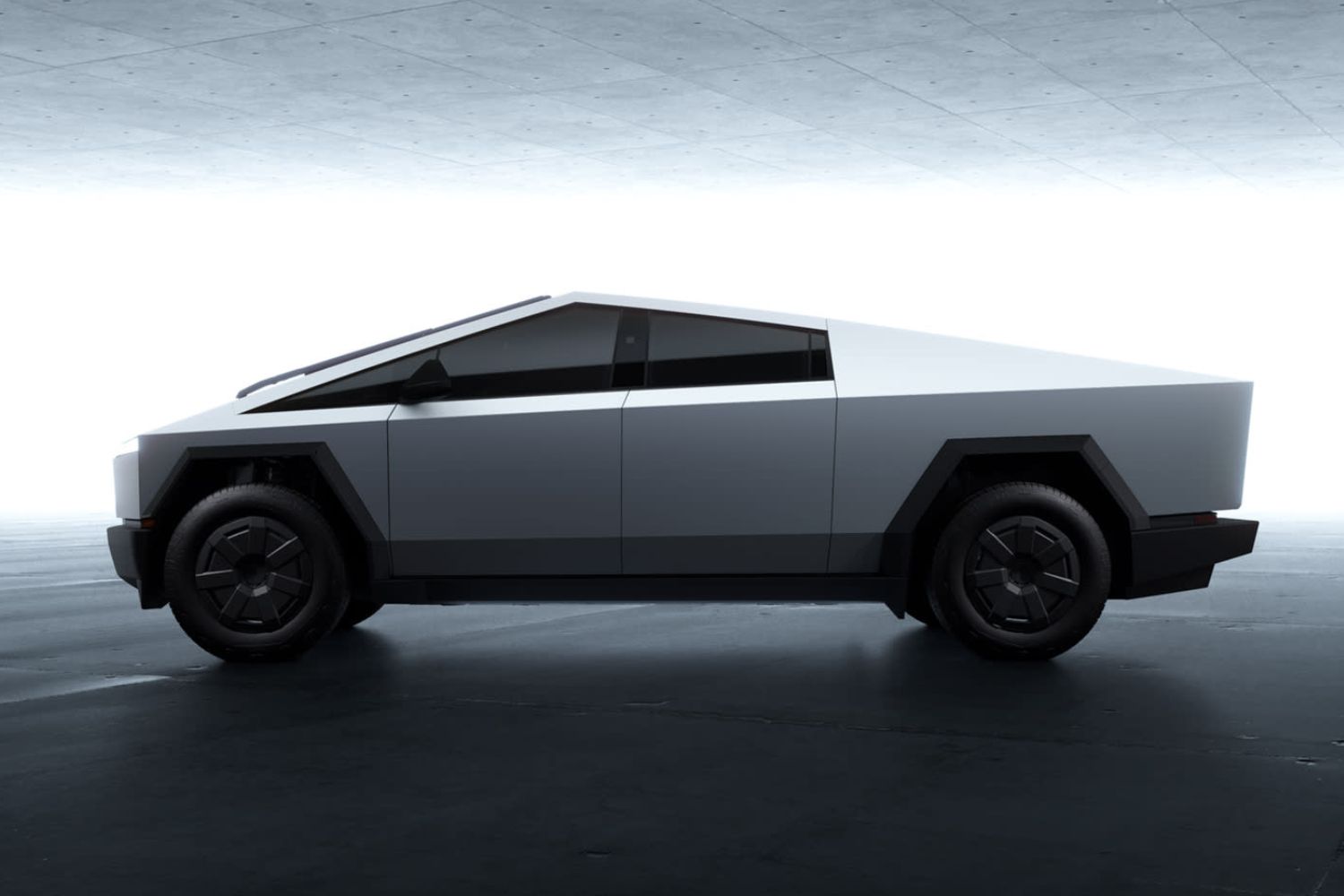
Tesla is discontinuing the Model S and Model X to shift its focus to autonomous solutions, including the Optimus humanoid robot and upcoming two-seat robotaxi, the Cybercab. With just two seats, the vehicle is expected to cost less to build, potentially allowing Tesla to scale production more aggressively.
A two-seat configuration also reduces excess weight compared to larger vehicles – such as the Jaguar I-Pace used in Waymo’s fleet – making it more energy-efficient and cheaper to operate. The Tesla Model Y is available for those who may need additional interior space.
Hopefully, the EV maker can reduce its crash rate, especially with the Cybercab expected to enter production as early as April 2026, though the first unit recently rolled off the line at Gigafactory Texas.


About the author

Rex Sanchez
News Editor