
Key Points
- The 2026 Hyundai Palisade is larger, more luxurious, and adds a new hybrid variant.
- Non-hybrid model is significantly slower, mainly due to increased weight and less powerful engine.
- The new hybrid variant promises efficiency gains, but we're not confident about its straight-line performance.
Bigger, Fancier, and a Step Back in Speed
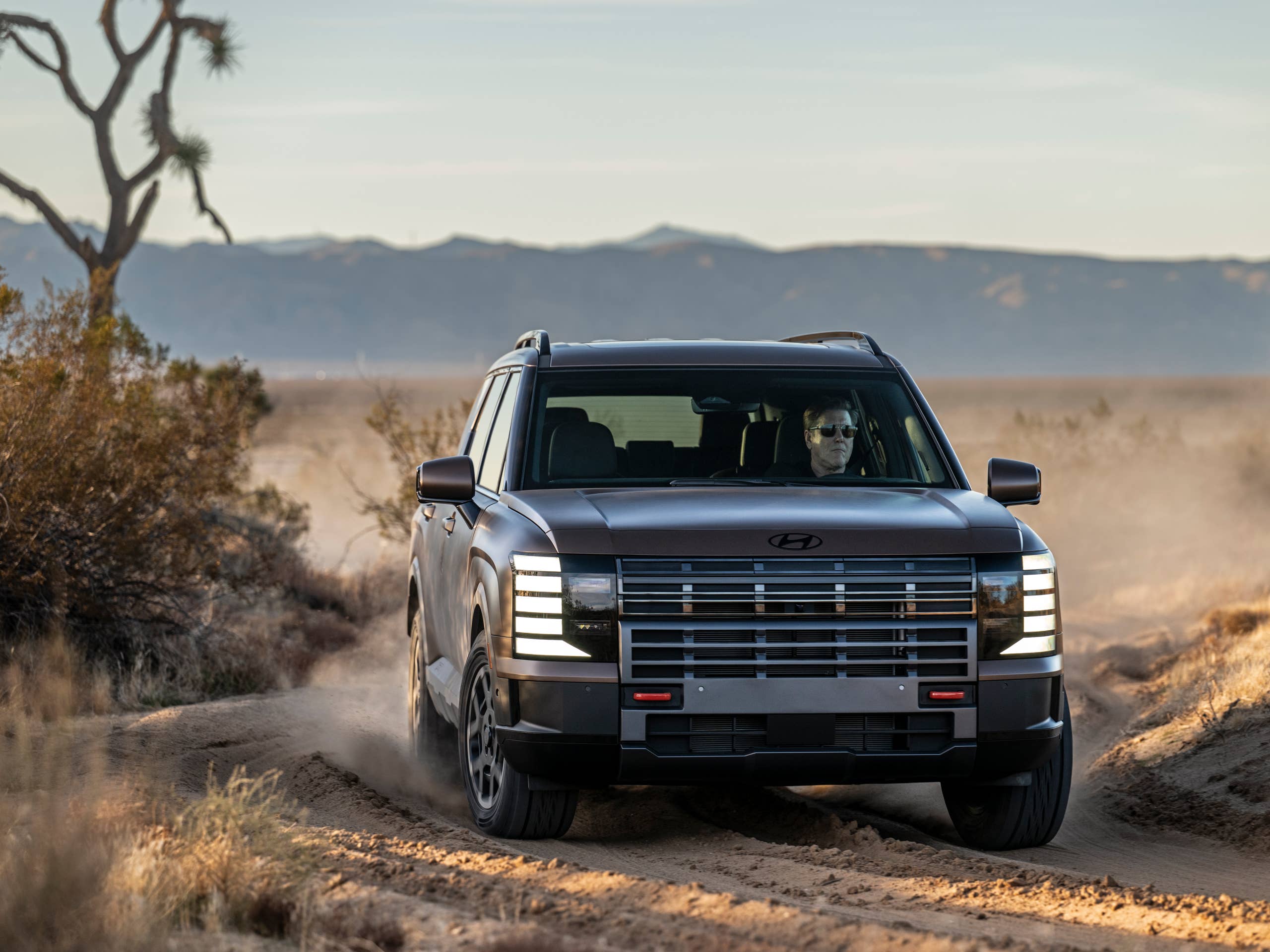
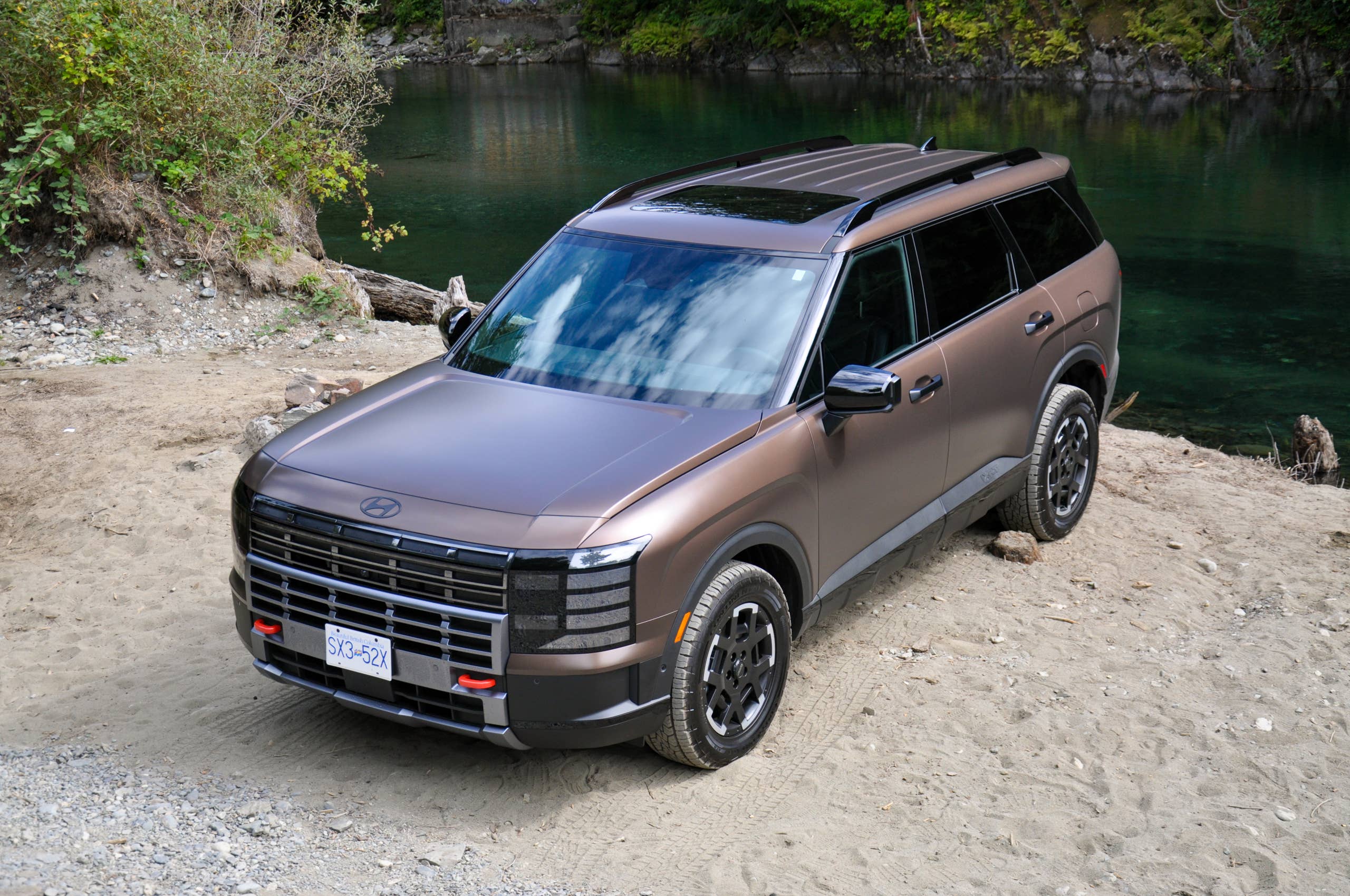
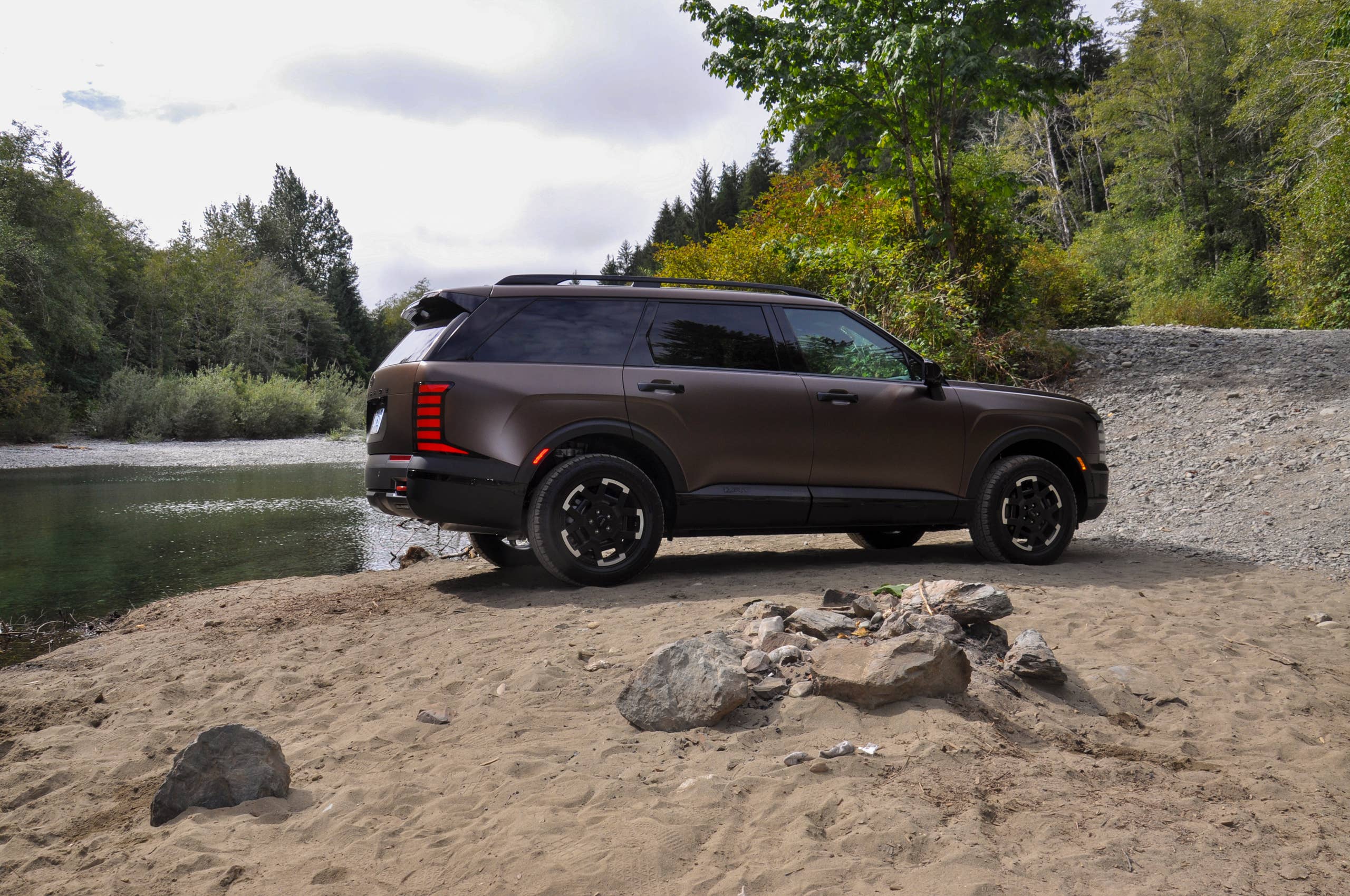
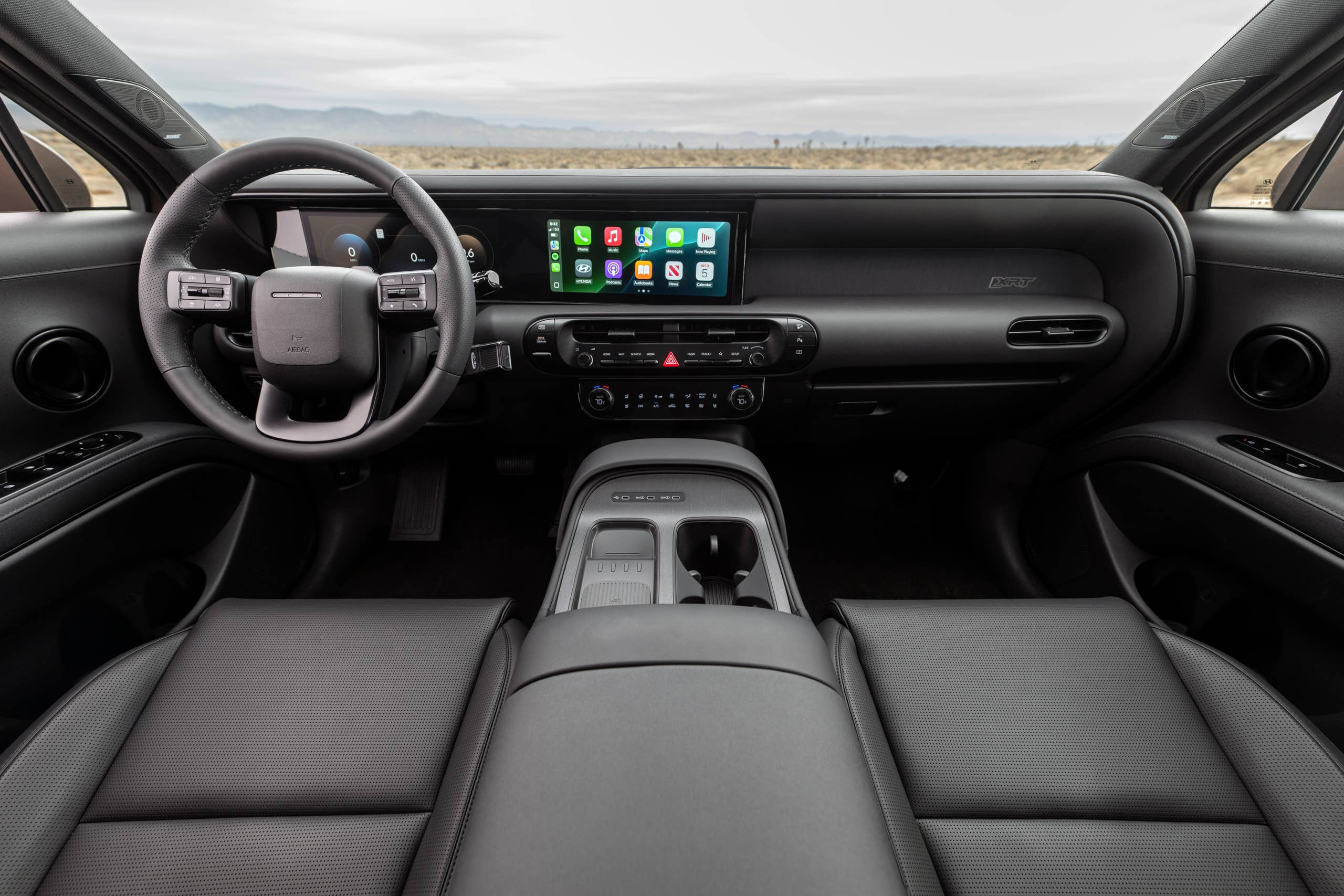
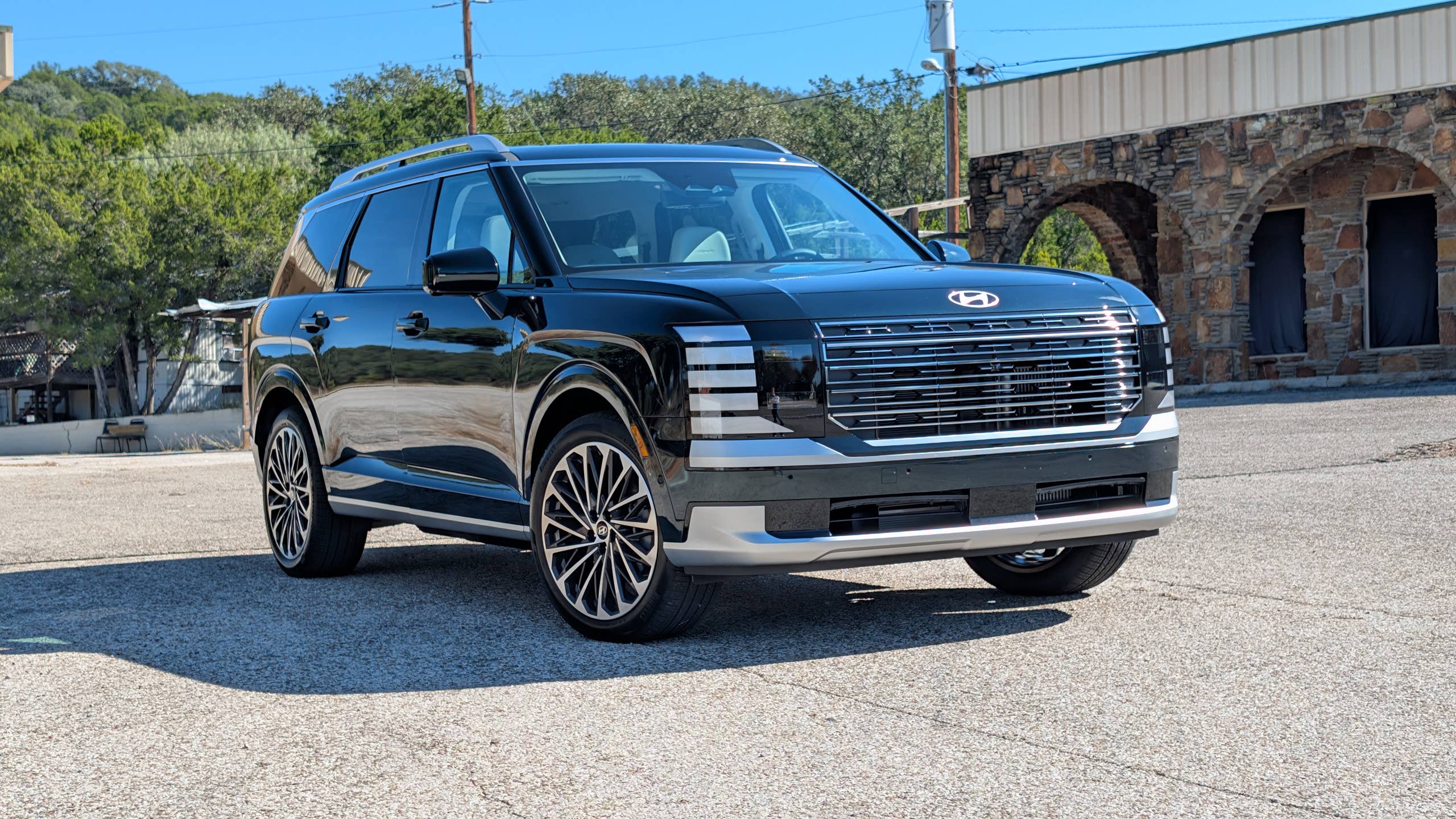
Hyundai has rolled out the all-new 2026 Palisade this year, marking the second-generation model with a new hybrid variant in tow. It is longer, wider, and more technologically advanced, with features like dual curved 12.3-inch displays, a built-in dash cam, and additional drive modes, including Mud, Sand, and Snow. The cabin is also more premium, featuring available Nappa leather, power-reclining third-row seats, and expanded safety technology.
But all that progress comes with a compromise. The new non-hybrid Palisade is slower – by a lot. While performance might not be a deal-breaker for most family SUV buyers, it won’t hurt to know these things if you care about how your vehicle responds when merging or overtaking.
Cole Attisha
Cole Attisha
Test Numbers Don’t Lie
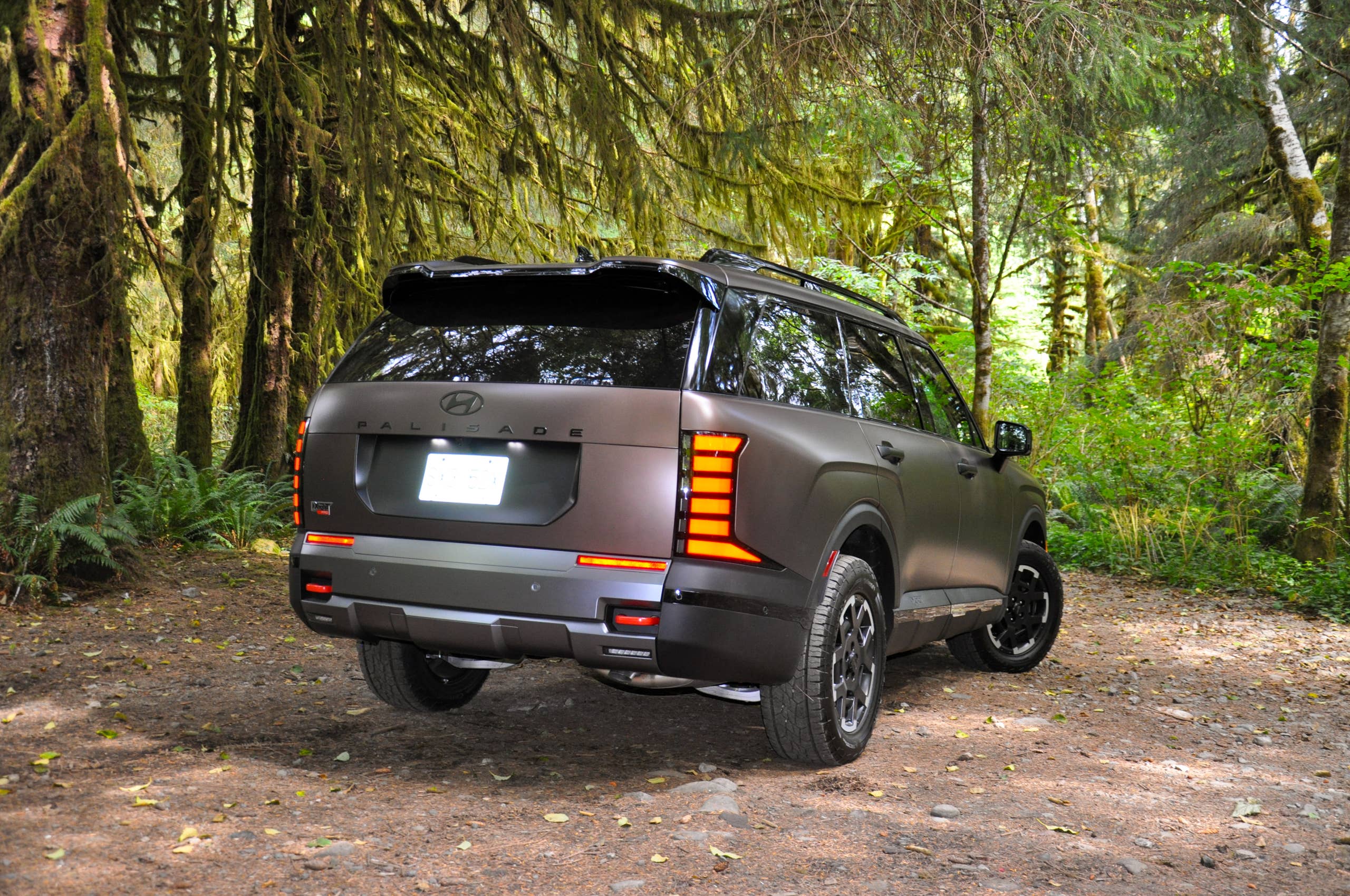
According to independent tests done by Car and Driver, the 2026 Palisade XRT Pro AWD equipped with the standard 3.5-liter naturally aspirated V6 reached 60 mph in 8.1 seconds. That’s 1.7 seconds slower than the previous 3.8-liter V6-powered 2023 Palisade XRT AWD, which managed the sprint in 6.4 seconds. Both engines use direct injection and an Atkinson-cycle setup, but the newer 3.5L Smartstream GDi V6 produces 287 horsepower and 260 lb-ft of torque, slightly down from the old 3.8L Lambda II V6’s 291 hp and 262 lb-ft.
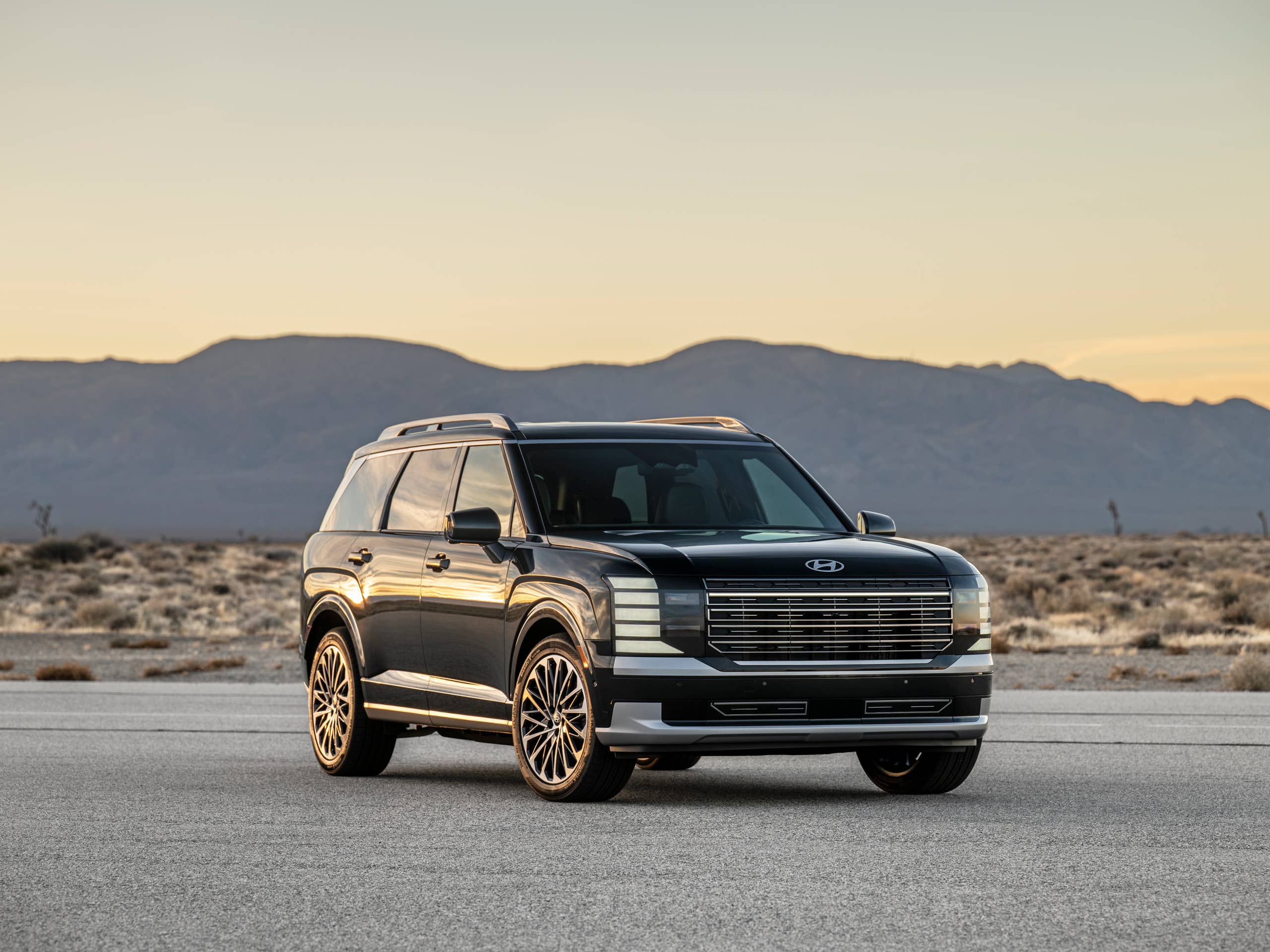
The bigger issue isn’t just output – it’s weight. The 2026 Palisade tips the scales at 4,792 pounds, nearly 370 pounds heavier than before. That extra mass, combined with a slightly less powerful engine, makes the new Palisade feel more subdued in acceleration tests.
Cole Attisha
More Comfort, More Weight, More Questions
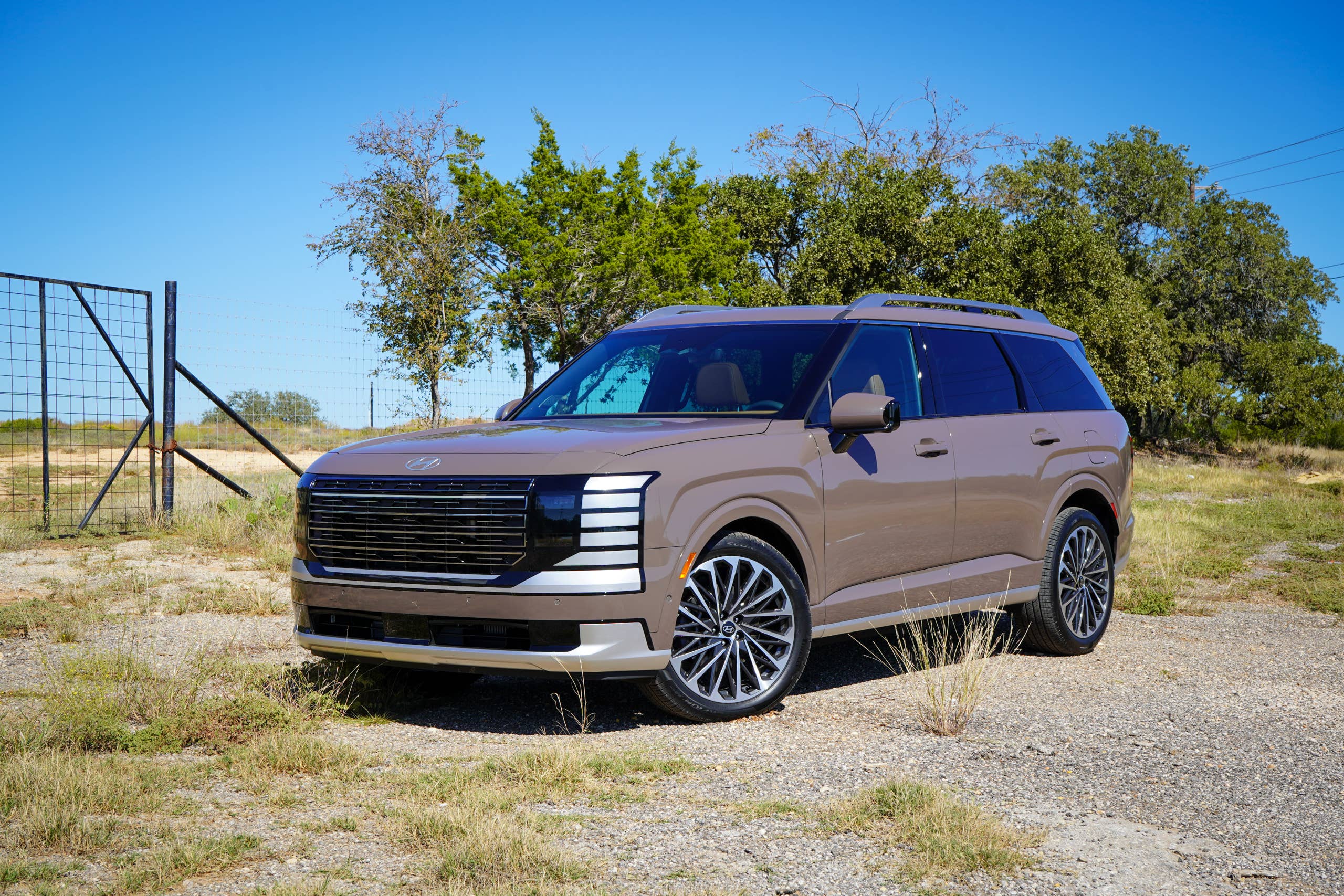
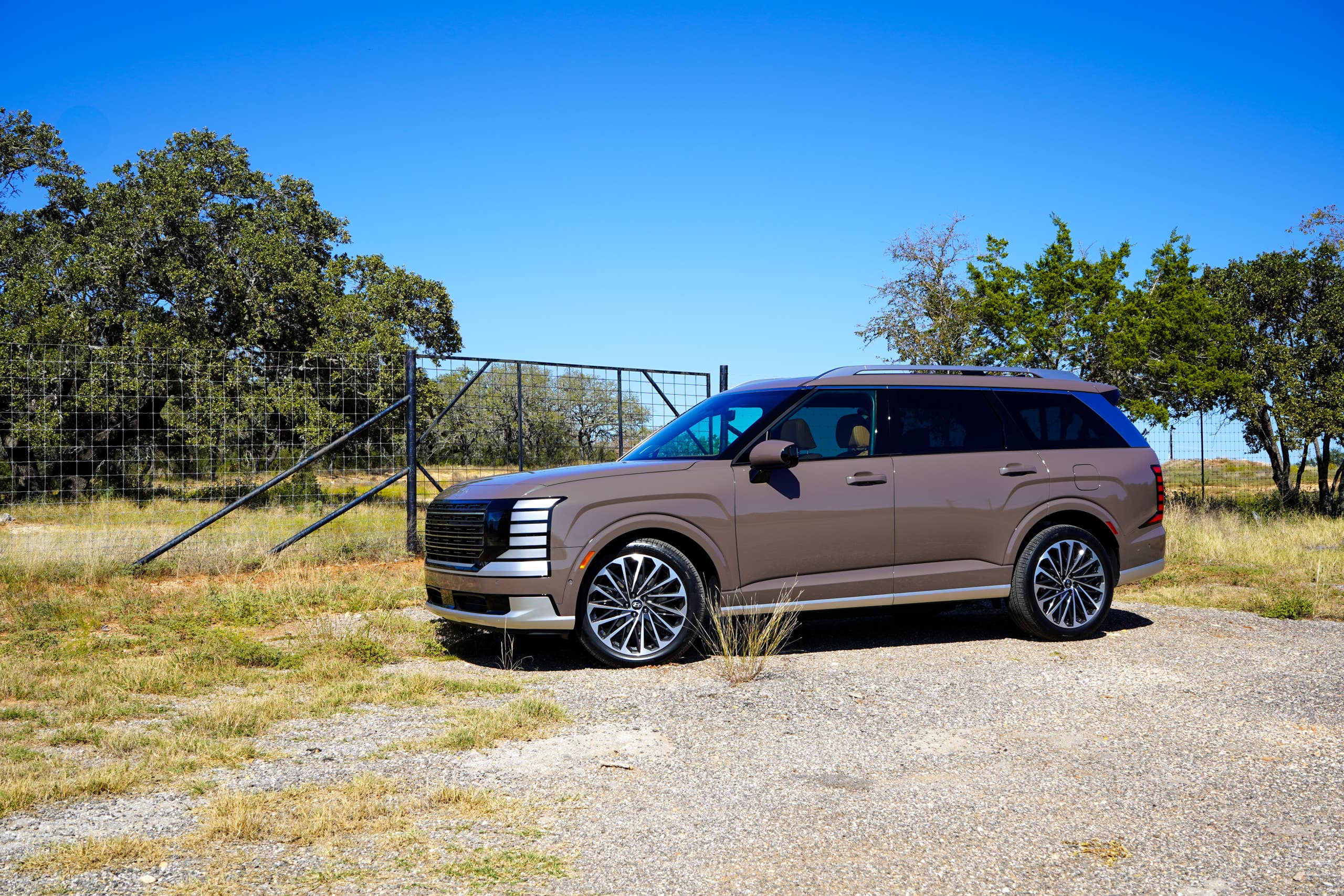
The Palisade’s new platform is physically larger, adding 2.5 inches in length and 2.7 inches in wheelbase, which improves space and ride comfort. Hyundai also fitted more insulation, additional seat mechanisms, and new tech that all add weight. The boxier design still achieves a commendable 0.31 drag coefficient, the same as before, but the added bulk is undeniable.
Hyundai also introduced the first-ever Palisade Hybrid, pairing a 2.5-liter turbocharged inline-four with two electric motors and a six-speed automatic. Combined output is an estimated 329 hp and 339 lb-ft of torque, with standard all-wheel drive and up to 4,000 pounds of towing capacity. If the non-hybrid model already feels slower due to weight, it’ll be interesting to see how the hybrid’s extra hardware affects straight-line performance.
Cole Attisha
Cole Attisha
Kristen Brown
About the author

Jacob Oliva
Senior Editor, Autoblog