
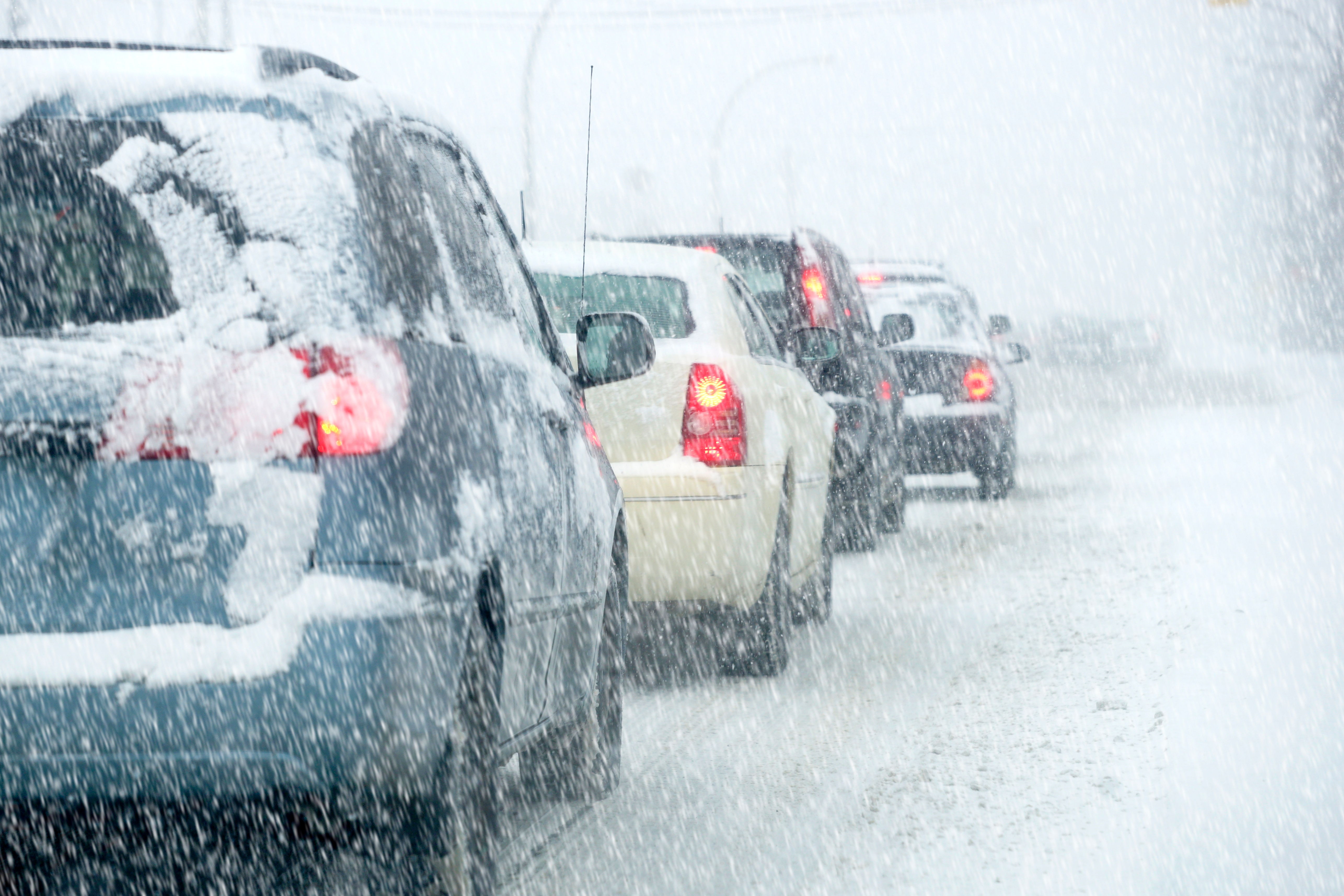
Winter is when weak batteries get exposed
Cold weather has a way of exposing weak links in your car, and the battery is almost always the first to fail. Plenty of vehicles that ran perfectly fine all summer suddenly refuse to start once temperatures drop below freezing. The good news is that most winter battery failures give off warning signs well before you’re stuck in a parking lot with a dead key fob and a sinking feeling. Here’s how to tell if your battery is actually ready for winter or quietly running out the clock.
Why cold weather is so hard on batteries

A car battery doesn’t fail because it’s cold; it fails because cold slows the chemical reaction inside it. At around 32°F, a battery can lose roughly 20% of its starting power. By the time temperatures hit 0°F, that loss can approach 40%. At the same time, your engine needs more energy to turn over because the oil thickens and internal resistance increases. That combination is why batteries that seemed fine in the fall suddenly wave the white flag in winter.
Battery age matters more than you think
Most car batteries last three to five years under normal conditions. If yours is already near the upper end of that range, winter is when its weaknesses show up.
Check the date code on the battery case, which is usually stamped or printed on top. If the battery is more than five years old, replacement is often the smarter move, especially if you park outside. Even a three- or four-year-old battery is worth testing before the coldest weather arrives.
The early warning signs drivers ignore
Winter battery failures rarely come out of nowhere. One of the most common clues is slow cranking, especially on cold mornings. If the engine turns over sluggishly but starts fine later in the day, that’s often a battery losing cold-cranking power.

Getty Images
Dim headlights during startup, flickering dashboard lights, or an infotainment system that resets itself can also point to a weakening battery. Clicking sounds when you turn the key or press the start button are another classic red flag.
A quick test can save you a tow
A proper battery load test is one of the easiest forms of winter prep, and many auto parts stores offer it for free. This test checks how the battery performs under real starting conditions, not just whether it has voltage left. If the results come back marginal or borderline, winter will usually settle the debate. Batteries don’t get stronger once temperatures drop.

Don’t overlook the basics
Even a healthy battery can struggle if it can’t deliver power cleanly. Corroded terminals, loose clamps, or damaged cables increase resistance and make cold starts harder than they need to be. Cleaning buildup and tightening connections can noticeably improve reliability in winter.
Short trips can also contribute to battery trouble. Cold starts draw a lot of energy, and quick drives don’t give the alternator enough time to fully recharge what was used.
Final thoughts
Replacing a battery before it fails isn’t wasteful—it’s preventative maintenance. A new battery costs far less than a winter tow, missed work, or waiting for a jump in freezing weather. If your battery is aging, slow-cranking, or testing weak, swapping it before winter’s coldest days arrive is one of the simplest ways to avoid getting stranded when temperatures drop.
About the author

Elijah Nicholson-Messmer
Contributing Writer, Autoblog