
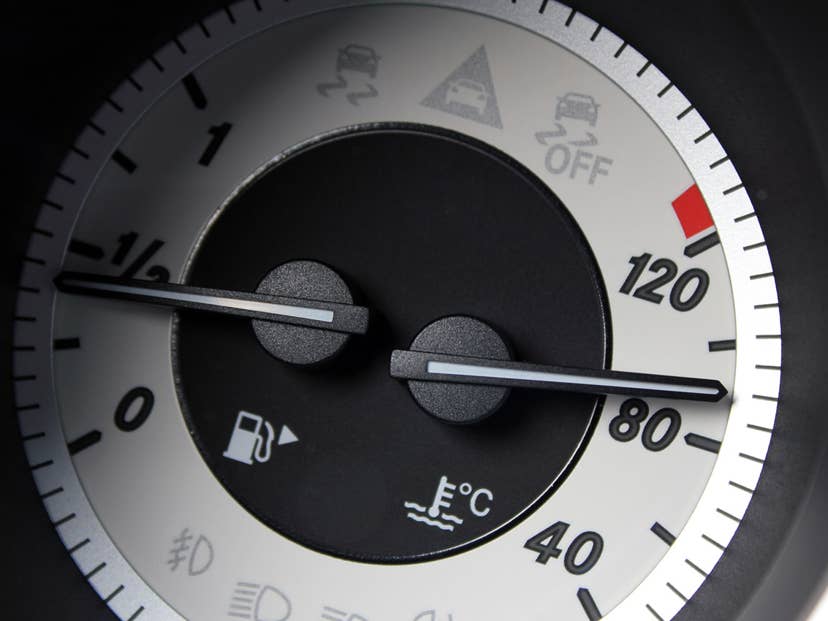
There are differing opinions on how long an engine should idle and warm up before the car is driven, and this difference of opinion stems from changes in technology. Some say you should let it idle at least 30 seconds. Others say you should wait several minutes. And others say the car should be driven immediately. When I was a kid, I even had one geezer tell me to rev the engine near its redline immediately after start-up to warm it up faster. I never followed that terrible advice, and neither should you. The truth is, the correct answer depends on what type of fuel delivery system your engine has, and unless you’re driving a car that’s more than 30 years old, letting the engine idle for a long time actually does more harm than good. Allow us to explain.
How Long Should You Let Your Car Warm Up?
RM Sotheby's
The simple answer for any car sold in America after 1994 is no more than 30 seconds. Modern cars have electronic fuel injection systems that stabilize the delivery of fuel to the combustion chamber, and these are connected to temperature sensors and other data points, allowing the air/fuel ratio be properly regulated. During the ignition sequence, which is mapped into the car’s electronic control unit (ECU), more fuel than usual is being pumped into the engine while the starter motor is turning the engine over and the spark plugs are firing. This creates a rich fuel mixture to encourage initial combustion, which starts the engine and initiates the cold start procedure. The engine sounds louder than normal until the cold start is over because once the engine “catches” and ignition is achieved, the engine continues running at higher RPM than idle in a bid to warm up the catalytic converter, and also because cold engine components have larger tolerances, or gaps, before heat expands the metals. This creates additional noise and vibration, and with the cold oil not yet circulating properly, this harshness is unavoidable. This leads us to why letting the car warm up any longer is unnecessary.
Why Letting an Engine Idle Too Long Is Bad
Smart
The only reason the cold start sequence runs for up to a minute is that the precious metals in the catalytic converter – typically platinum, palladium, and rhodium – need high temperatures from the combustion process for the catalyst to be activated, and the sooner this chemical reaction takes place, the sooner the catalytic converter can filter noxious gases. Once the optimal temperature range is achieved (570°F-1,470°F), this reaction and the continued running of the engine maintain the required temperatures, so the cold start sequence is ended. But if you let the engine continue to idle, there are a few negative side effects. The engine continues pumping fuel, and while the catalytic converter may be at optimal operating temperature, the engine itself is not, and the oil pump is barely running. Because of the metals in the engine still being relatively contracted, leaving larger tolerances between cylinder walls and pistons, and because the oil is still relatively thick and under relatively low pressure, those gaps can suffer from bore wash, where unburnt fuel seeps between piston ring and cylinder wall. This scores the cylinder walls and can lead to a loss of compression. The longer the engine ticks over at low RPM (under 1,000 revolutions per minute at this point), the more damage can occur. So should I start my car in cold weather, even without an engine block heater? Yes, but don’t let it just idle. How to warm up the car and minimize damage is simple: drive it.
Why Driving a Car to Warm Up a Cold Engine Is Good
BYD
Large engine tolerances and cold oil can negatively impact the engine, and the safest and best way to avoid damage is to drive the car gently, avoiding high RPM until the metals have expanded and the fluids have reached their optimal temperatures. Not only does driving the car put more heat into the engine, allowing its moving pats to expand and driving the oil pump to higher pressures, promoting lubcrication, but driving also warms up the transmission and differential. Like the engine, these systems are made of metal and lubcricated by types of oil, and if you let your car idle for a long time until the engine is warm and then drive it hard, the transmission and diff will suffer from unnecessary wear. It’s also worth pointing out that the heat in the combustion chamber helps burn off carbon deposits, and letting your engine idle at low RPM with relatively low heat in the chamber for extended periods builds up these harmful deposits. This effectively reduces the size of the combustion chamber, albeit by a very small amount each time, reducing efficiency and performance, sometimes even leading to stuck valves. The engine is designed to pull the entire mass of the car, and when it’s just idling, it’s wasting fuel.
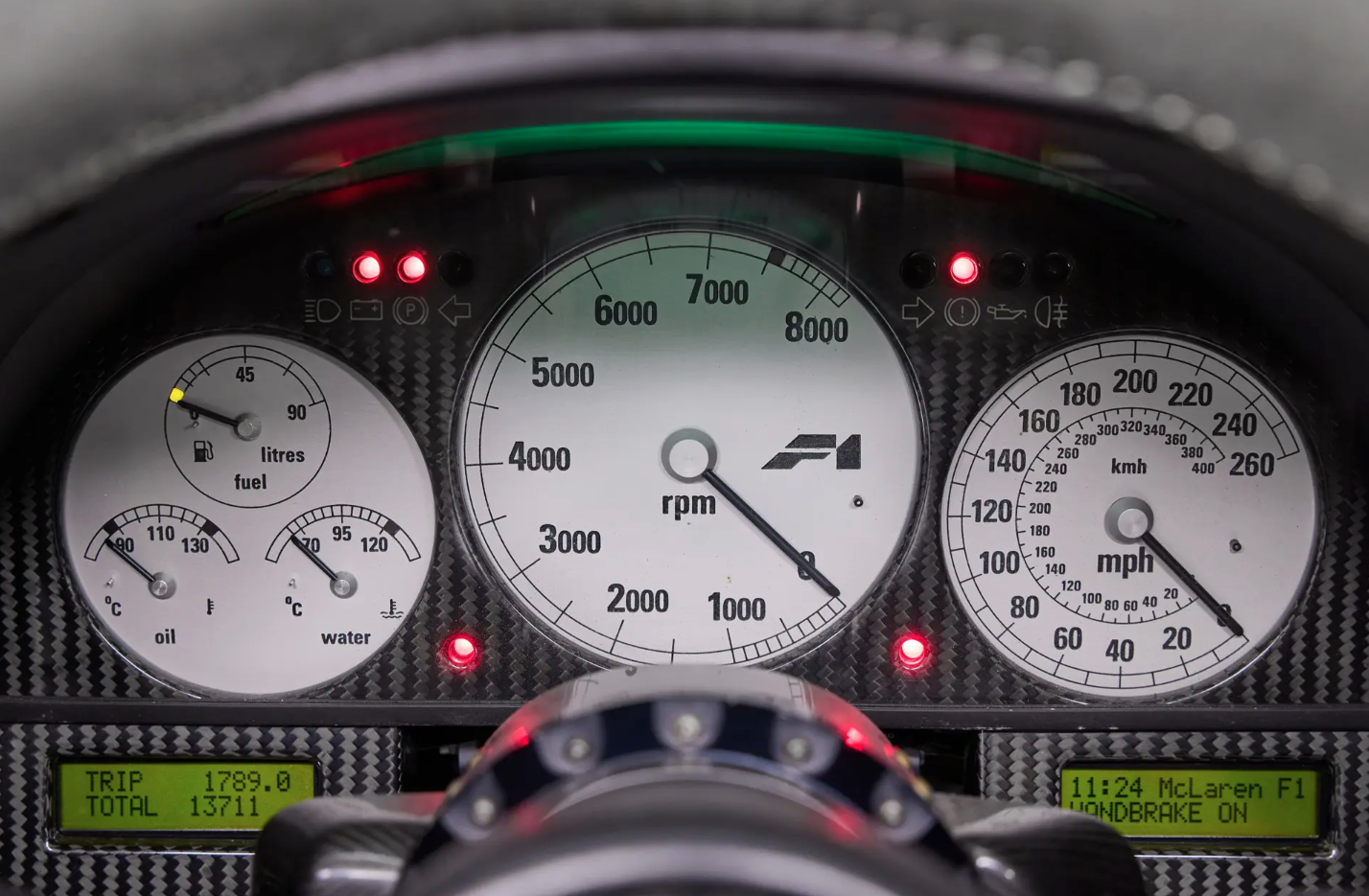
How to know when the car is warmed up is simple: just check the oil temperature gauge of the car (coolant tends to warm up faster and this gauge is only really useful for monitoring that the car isn’t overheating). Once the needle on the oil gauge (or the digital readout) stabilizes, usually around 158 degrees, it’s safe to push the engine to higher RPM. On the other hand, what happens if you don’t let your car warm up and just drive?
The friction between cylinder walls and pistons can cause damage. Some people point to remote start and argue that letting their car warm up for extended periods allows the cabin to be more comfortable, but once your windows are demisted, it’s good to get moving. Extended idling is not doing the engine any good, and neither is driving at higher RPM immediately, according to J.D. Power and the U.S. Department of Energy. The below video shows how the oil can take up to 12 seconds to fully circulate, so putting strain on the engine before all moving parts are lubricated can cause significant damage.
Why Old Cars Needed to Idle for Longer or Be Revved
After 1994, every car in America was fitted with electronic fuel injection, but before that, carburetors were the norm, with a physical cable connecting the throttle to the fuelling system. While there are many types of carburetor, they typically rely on vacuum to suck the fuel into the air that the engine is drawing into the combustion chamber, the key, without an electronic system regulating fuel intake on start-up, the engine isn’t able to draw in enough gas to match the air in the combustion chamber. Revving the engine a little (either manually or with a choke) would help initiate the combustion process, creating the required vacuum to stabilize the air/fuel ratio. Basically, revving on start-up was done to prevent stalling. Once the engine gets to a consistent, non-lumpy idle, holding RPM at over 1,000 revolutions (effectively a manual cold start procedure) becomes unecessary because the engine is naturally drawing in enough fuel to create a clean burn.
About the author

Sebastian Cenizo
Senior Editor, Autoblog