
The right type of tire can make all the difference
No matter the season, climate, or weather, tires are one of the most important parts of your vehicle. Tread, size, and air pressure are crucial factors in ensuring your tires keep you connected and in control, regardless of road conditions, but the type of tire matters just as much, if not more. All-season and all-terrain tires are among the most popular tires, and both have their pros and cons. Read on as we break down the differences and how to choose the right tire for your ride.


James Riswick
All-season tires are best suited for daily driving
As the name implies, all-season tires are an ideal pick for making a daily commute or traveling long distances on paved roadways. Their balanced blend of performance and comfort helps improve fuel efficiency and ride comfort while remaining versatile for everyday use. They’re also kind to your wallet, with a long tread life and a relatively affordable replacement cost compared to more specialized types of tires.


All-season tires may be the jack of all trades, but they have their caveats as well. While they may be more affordable than specialized tires, the rubber tends to harden in cold weather, reducing traction. While mild winter weather might not be an issue, traveling along snow-packed roadways could put you in a tight spot. Similarly, don’t plan to head out on any serious off-road adventures. Overall, all-season tires excel as a daily driver under consistent weather and road conditions.
All-terrain tires are designed for off-road adventures
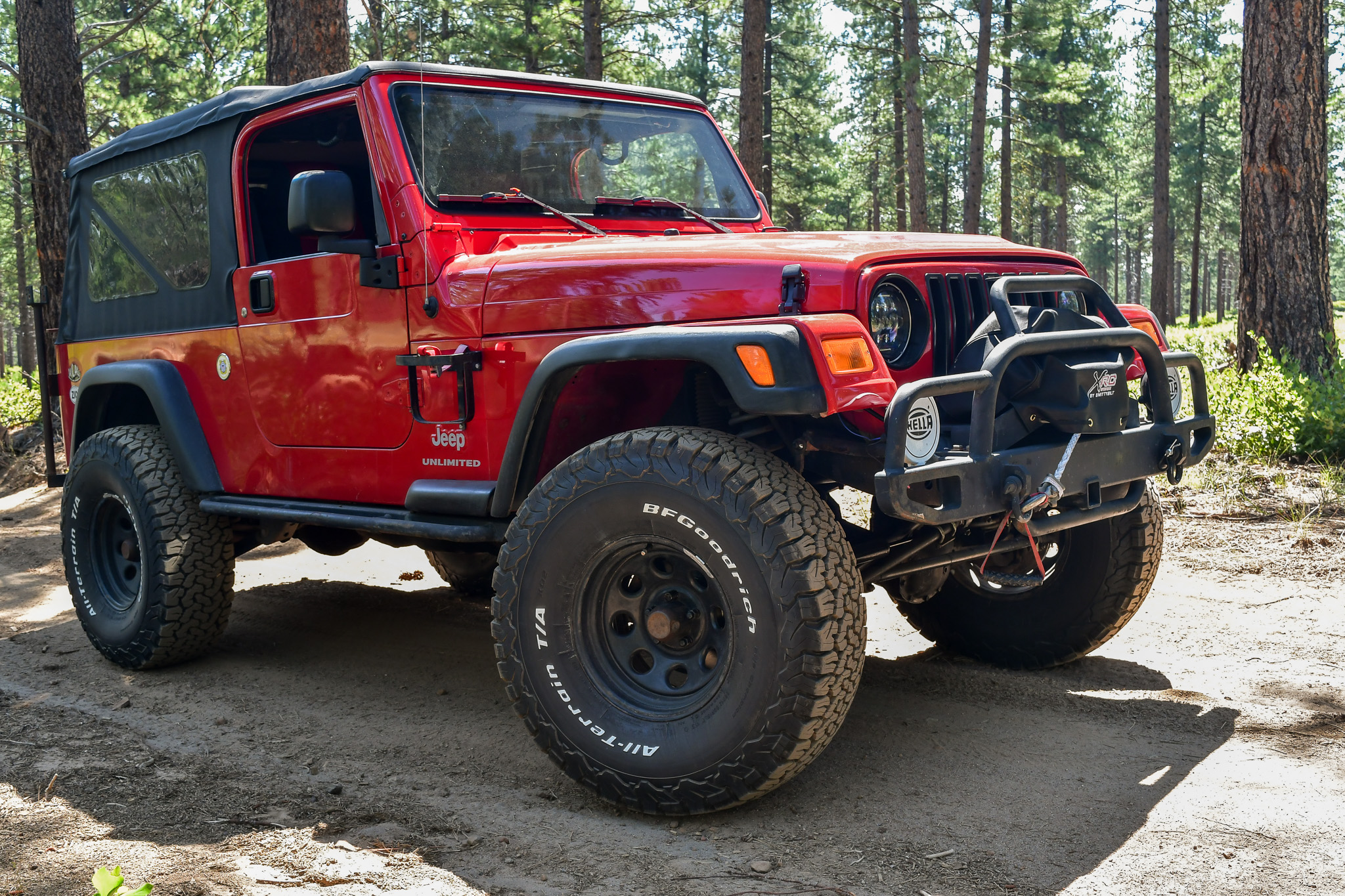
If rugged paths and the great outdoors are your calling, then equipping your ride with all-terrain tires is a must. Their strength and durability make them better suited for the uneven and rough routes that lie ahead. Not only that, but their large tread blocks make them ideal for heavy loads and tackling mud, rocks, and more. Typically, you’ll find all-terrain tires on more capable vehicles, like trucks and SUVs.


James Riswick

Jeep
While all-terrain tires can dominate the great outdoors better than their all-season counterparts, they have their pitfalls as well. Due to their design, they typically offer lower fuel economy and wear faster. All-terrain tires also result in increased road noise and cost more to replace. Long highway drives aren’t their strong suit, but if you plan on hitting the trails, all-terrain tires are a great choice.
Performance and snow tires are niche alternatives
All-season and all-terrain tires might be the most popular, but they aren’t the only options. Performance tires are designed for sports cars that prioritize handling at high speeds. Naturally, their higher grip and handling mean lower fuel economy and more road noise, as well as poor traction in cold weather. Not only that, but they also cost more to replace than your average tire.

Porsche
Snow tires are specifically designed for areas that experience heavy winter weather, with softer rubber that maintains its traction and improves braking and handling on snow and ice. That soft rubber can’t handle warm weather, though, which means you’re buying an extra set of tires for a single season. Some snow tires also have studs embedded in the tread that further improve traction on ice. Note, however, that each state has its own laws regarding metal studs, so make sure to check with your state’s department of transportation before you buy.

Kristen Brown
Final thoughts

Toyota

Chevrolet

Porsche
Choosing the right kind of tire can help you get the most out of your vehicle. If you’re heading to work in your Toyota Camry, then all-season tires are the right choice, but if you find yourself regularly traveling off the paved path in a Chevy Silverado, consider all-terrain tires instead. Each tire has its own benefits and drawbacks, and, depending on where you live, you may need to consider throwing snow tires into the mix. Sports cars, like the Porsche 911, are a different beast, and typically come stock with performance tires that offer enhanced handling at high speeds.
About the author

Joseph Pudlewski
Contributing Writer, Autoblog